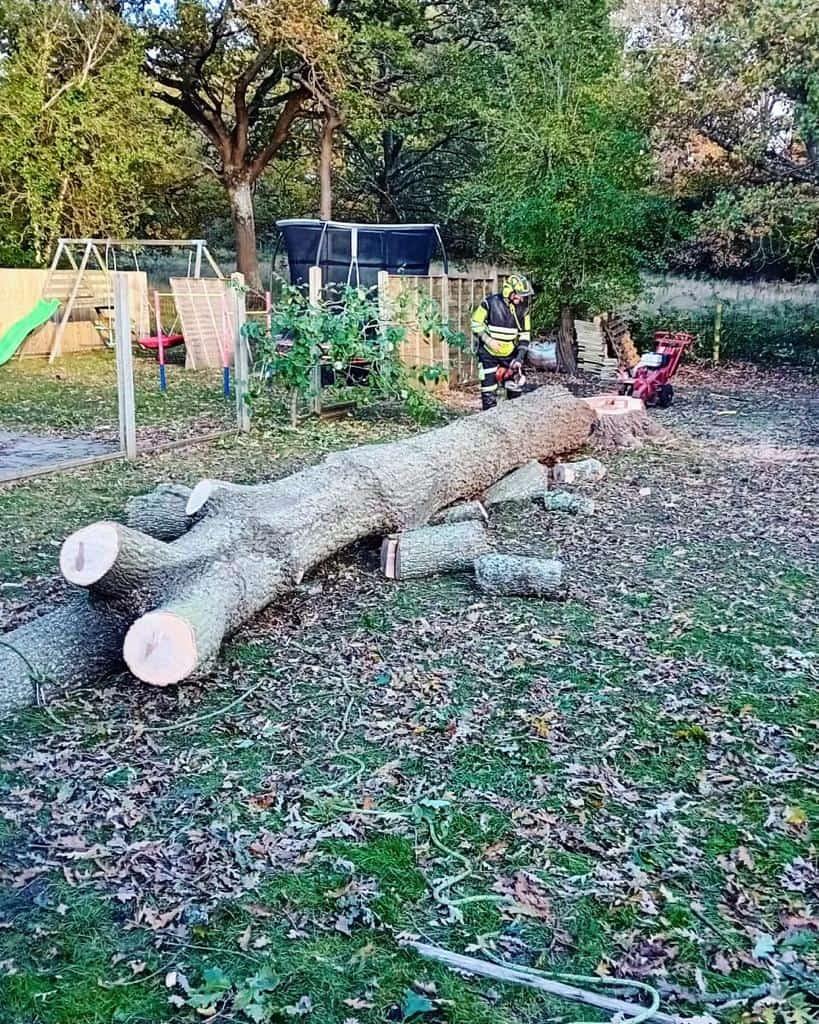
Trees play a vital role in our landscapes, offering shade, beauty, and environmental benefits. However, when a tree grows too tall for its surroundings, it can become a safety concern or create issues for nearby properties. In such situations, height reduction is often the most practical and responsible solution. At LM Tree Surgery Cowplain in Cowplain, Hampshire, we carry out professional height reduction to help homeowners and property managers maintain their trees safely without compromising their long-term health.
Understanding Tree Height Reduction
Height reduction is a precise tree surgery technique used to reduce the overall height and size of a tree’s canopy. The process involves selectively cutting back the upper branches to a suitable growth point, maintaining the tree’s natural shape while reducing its height and spread.
Unlike topping — a harmful method that involves removing large sections of the crown indiscriminately — height reduction focuses on careful, measured cuts that promote healthy regrowth and preserve structural balance.
Why Height Reduction May Be Necessary
While trees naturally grow towards the light, this growth can sometimes create conflicts in urban or residential settings. Height reduction becomes essential when a tree’s size begins to impact safety, property, or environmental balance.
Here are some of the most common reasons why homeowners in Cowplain choose height reduction:
1. Preventing Storm Damage
Tall trees are more susceptible to wind damage, especially if they have an unbalanced canopy or structural weakness. Reducing the height of the crown helps lower wind resistance, making the tree less likely to suffer from branch failure or uprooting during severe weather.
By carefully reducing height, LM Tree Surgery Cowplain ensures that your trees remain stable and resilient throughout storm seasons.
2. Protecting Nearby Structures
Trees growing too close to houses, garages, fences, or power lines can cause issues as they mature. Overhanging branches may scrape roofs, block gutters, or threaten windows during strong winds.
Height reduction creates a safer clearance around buildings and utilities while maintaining the tree’s aesthetic appeal and health.
3. Managing Sunlight and Shade
While shade is welcome in moderation, excessive tree height can block natural light from gardens, patios, or neighbouring properties. Reducing a tree’s height allows more sunlight to reach lawns, flowerbeds, and windows — improving the usability and visual appeal of outdoor spaces.
This approach is especially beneficial for gardens where other plants are struggling due to a lack of light.
4. Reducing Risk to Pedestrians and Vehicles
In public or shared areas, tall trees with heavy upper canopies can pose a safety risk if large branches overhang footpaths or driveways. Height reduction minimises the risk of falling debris and ensures clear visibility and safety for pedestrians and vehicles below.
5. Maintaining Tree Health in Limited Space
In built-up environments, trees often have restricted root systems due to paving, walls, or compacted soil. As the canopy grows, the roots may struggle to support the tree’s height, increasing the risk of instability.
Height reduction helps balance the canopy-to-root ratio, allowing the tree to remain strong and healthy within its limited growing area.
How Height Reduction Differs from Other Tree Work
It’s important to distinguish height reduction from other types of pruning, as each serves a different purpose:
- Crown reduction – Involves reducing the overall size of the crown evenly while maintaining its shape.
- Crown thinning – Focuses on removing selective branches to improve light penetration and airflow.
- Crown lifting – Removes lower branches to increase clearance beneath the canopy.
Height reduction specifically targets the upper canopy, making it ideal for tall trees that pose height-related risks or block excessive light.
The Benefits of Professional Height Reduction
When carried out by experienced tree surgeons such as LM Tree Surgery Cowplain, height reduction offers a range of long-term benefits:
Improves Safety
Reducing the height of a tree lowers the likelihood of branch or stem failure, protecting property and people during storms.
Preserves the Tree’s Natural Shape
Unlike harsh cutting methods, professional height reduction maintains the tree’s form and structural integrity, keeping it attractive and balanced.
Encourages Healthy Regrowth
Cuts are made at strategic points to encourage strong new growth and prevent dieback or decay. This ensures the tree continues to thrive while remaining manageable.
Extends the Tree’s Life
By managing stress and preventing instability, height reduction helps prolong the tree’s lifespan — particularly in urban settings where trees face additional environmental pressures.
Signs That Height Reduction Might Be Needed
Not all trees require height reduction, but certain signs indicate that it may be the most appropriate option:
- The tree’s upper canopy sways excessively in high winds.
- Branches are encroaching on roofs, windows, or utility lines.
- The tree is casting too much shade over gardens or solar panels.
- There are visible cracks or splits in upper branches.
- The tree appears unbalanced, with excessive growth on one side.
If you notice any of these issues, a professional assessment from LM Tree Surgery Cowplain can determine whether height reduction is the right course of action.
Why Professional Expertise Matters
Height reduction is a skilled procedure that requires careful planning and knowledge of tree biology. Incorrect cutting can lead to uneven regrowth, structural weakness, or even permanent damage.
At LM Tree Surgery Cowplain, our qualified arborists use precise techniques to reduce height safely and sustainably. We assess the tree’s health, structure, and surroundings before carrying out any work, ensuring that every cut benefits the tree’s long-term stability and appearance.
We also follow best practices for pruning angles and branch selection, avoiding excessive cutting that could stress the tree or lead to decay.
Maintaining Trees After Height Reduction
After height reduction, trees benefit from ongoing maintenance to encourage strong, balanced regrowth. Regular inspections ensure that new shoots develop correctly and that the tree remains stable.
Maintenance may include:
- Removing weak or crossing branches as they form.
- Light pruning to maintain shape and structure.
- Monitoring for signs of disease or stress following the work.
Consistent care helps the tree recover quickly and adapt to its new size, ensuring lasting health and strength.
Why Homeowners in Cowplain Trust LM Tree Surgery Cowplain
LM Tree Surgery Cowplain has built a strong reputation for delivering professional, reliable tree care throughout Cowplain and Hampshire. Our approach to height reduction is both careful and considered, balancing the need for safety with respect for the tree’s natural form and function.
We take pride in helping homeowners manage large trees responsibly, reducing risks while enhancing the beauty of their outdoor spaces. Every job is carried out with precision, safety, and environmental awareness at its core.
Conclusion
Height reduction is often the most practical and effective solution when a tree’s size begins to pose safety, light, or space challenges. When performed by skilled professionals, it helps preserve the tree’s health, stability, and aesthetic value for years to come. For expert advice and professional tree height reduction, homeowners can rely on LM Tree Surgery Cowplain in Cowplain, Hampshire, to deliver safe, sustainable results that protect both your property and your trees.
Call us on: 023 8235 6096
Click here to find out more about LM Tree Surgery Cowplain
Click here to complete our contact form and see how we can help with your tree needs.